Where to Buy Farm Fresh Grains and Cereals in Tamil Nadu
- Nov 25, 2025
- 4 min read
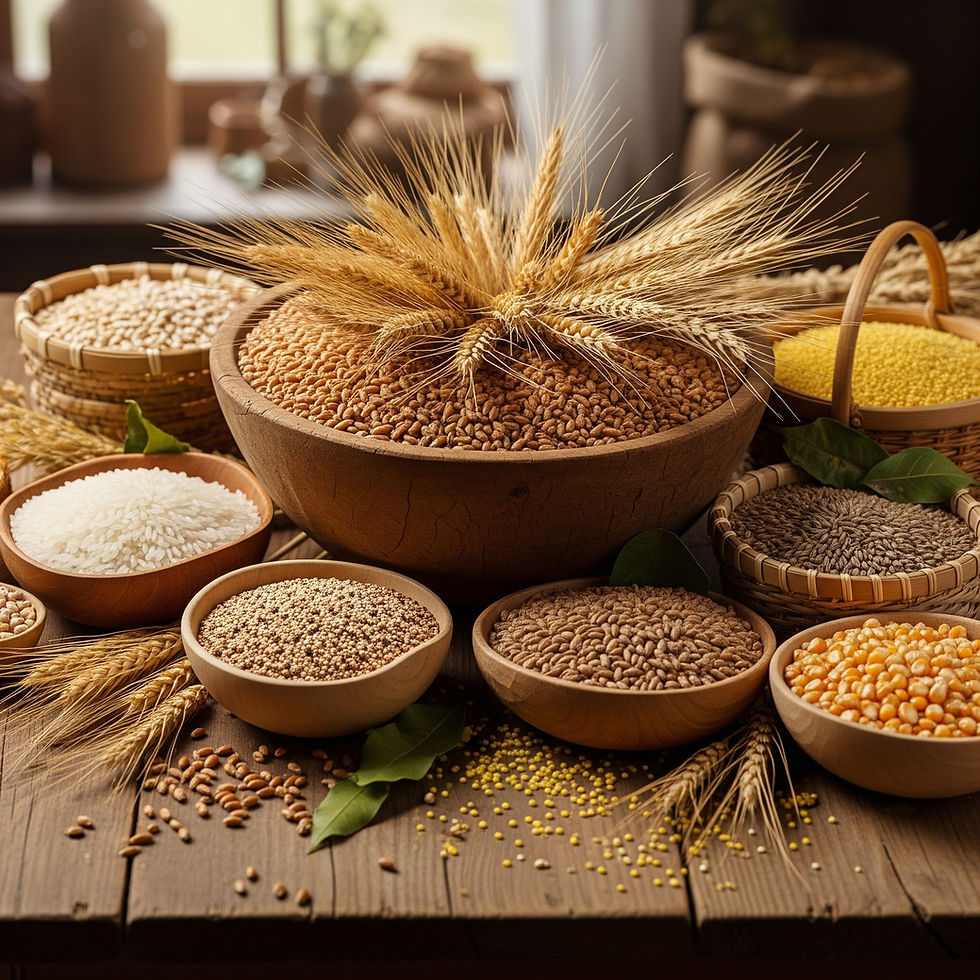
Here’s the thing: Tamil Nadu is one of India’s most important agricultural states, producing rice, millets, maize, and pulses in huge quantities.
Yet, if you’ve ever tried to source farm fresh grains and cereals manufacturer options, you know it’s not always simple. You want authentic produce, reliable suppliers, and the confidence that what you’re buying is genuinely fresh.
This article shows you exactly where to buy farm fresh grains and cereals in Tamil Nadu. You’ll also learn how to identify premium cereals supplier networks and why connecting directly with grains, cereals and pulses manufacturers is the smartest move.
Why Choose Farm Fresh Grains and Cereals Manufacturer in Tamil Nadu
Tamil Nadu’s agriculture is diverse and resilient. According to the Tamil Nadu Agricultural University, rice remains the dominant crop, while millets like ragi and sorghum are vital for nutrition and food security. Choosing a farm fresh grains and cereals manufacturer matters
because:
Quality assurance: You get grains harvested and processed without long storage delays.
Nutritional value: Fresh cereals retain more vitamins, minerals, and fiber.
Local impact: Supporting farmers strengthens rural communities and sustainable agriculture.
Where to Buy Farm Fresh Grains and Cereals in Tamil Nadu
Local Farmer Markets
Tamil Nadu’s weekly farmer markets are a treasure. In Chennai, Madurai, and Coimbatore, you’ll find stalls selling rice, millets, pulses, and maize directly from growers. Buying here means you see the product, meet the farmer, and ensure freshness.
Advantages of farmer markets:
Direct farmer-to-consumer sales
Transparent pricing
Seasonal variety
Agricultural Cooperatives
Districts like Salem, Tirunelveli, and Thanjavur have strong cooperative networks. These cooperatives pool harvests from small farmers, ensuring consistent supply for bulk buyers.
Why cooperatives work well:
Collective bargaining improves quality control
Easier access to bulk quantities
Reliable sourcing for businesses
Universities and Research Stations
Tamil Nadu Agricultural University (TNAU) and its affiliated research stations often sell certified seeds and grains. These outlets are ideal if you want scientifically tested, pest-resistant varieties.
Online B2B Platforms
If convenience matters, digital marketplaces are your best place. Verified suppliers list their products online, making it easy to compare quality, certifications, and pricing.
you can explore Pepagora is a platform business to connect with verified manufacturers and request a quote in one place.
How to Identify Premium Cereals Supplier
Certifications to Check
Organic certification for chemical-free cultivation
FSSAI approval for food safety standards
Shelf Life
Fresh grains typically last 6–12 months when stored properly. Always ask suppliers about storage practices.
Cultivation Practices
Traditional farming methods often produce grains with richer taste and higher nutrition.
Benefits of Buying Directly from Grains, Cereals and Pulses Manufacturers
According to a study on Tamil Nadu’s food grain production, agriculture remains the livelihood for millions. Buying directly from manufacturers means:
Supporting rural employment
Reducing adulteration risks
Transparent sourcing and quality assurance
Expert Insight
Harvard Business Review emphasizes that trust and transparency are critical in food sourcing decisions. For you, this means choosing suppliers who openly share cultivation methods, certifications, and storage practices.
For deeper guidance, here’s a practical guide on finding a trustworthy partner in B2B marketplace.
Practical Buying Tips
Visit in person: Farmer markets and cooperatives let you inspect grains directly.
Ask for samples: Many suppliers provide small samples before bulk orders.
Check packaging: Proper packaging prevents moisture and pests.
Compare suppliers: Don’t settle for the first option—compare quality and certifications.
Building Long-Term Supplier Relationships
The best grain sourcing isn't just about finding good products once. It's about establishing reliable partnerships that serve you consistently.
Communicate your quality expectations clearly from the start. Suppliers appreciate buyers who know what they want. Specific requirements prevent misunderstandings later.
Pay on time.
This builds trust and often leads to preferential treatment. Reliable payment establishes you as a valued customer.
Provide feedback, both positive and negative. Constructive criticism helps suppliers improve. Appreciation for good service encourages them to maintain standards.
Loyalty has benefits.
Long-term relationships often lead to better prices, priority during shortages, and customized services that new buyers don't receive.
Final Takeaway
What this really means is: buying farm fresh grains and cereals in Tamil Nadu is about more than just food it’s about trust, nutrition, and supporting local agriculture.
Whether you choose farmer markets, cooperatives, or online platforms, always verify certifications and freshness.
if you’re ready to expand your reach, Join B2B business portal india to connect with reliable manufacturers and premium suppliers.
FAQs
1. Where can I find authentic farm fresh grains in Tamil Nadu?
You can buy them at local farmer markets, cooperatives, and verified online platforms.
2. Which grains are most popular in Tamil Nadu?
Rice, millets, maize, and pulses are widely cultivated and consumed.
3. How do I know if a supplier is trustworthy?
Check certifications like FSSAI and organic labels, and ask about cultivation practices.
4. Can I buy grains in bulk directly from manufacturers?
Yes, cooperatives and B2B platforms allow bulk purchases from grains, cereals and pulses manufacturers.
5. Why should I choose farm fresh grains over packaged ones?
Fresh grains retain more nutrients and support local farmers, unlike processed alternatives.
6. Is it better to buy grains in bulk or small quantities
Buying small quantities helps you keep the grains fresh. Bulk buying works only if you use them quickly and store them well.
7. Do local stores offer chemical free cereals
Many organic stores in Tamil Nadu offer clean and natural cereals. You can also ask for product details before buying.
8. How often should I restock grains at home
Most grains stay fresh for a few months. Restocking every one or two months helps you enjoy better taste.
9. Can I trust online sellers for traditional rice varieties
Yes, if the seller lists clear details and recent packing dates. Reading reviews also helps you judge quality.
10. What is the safest way to store fresh grains
Keep them in airtight containers and away from moisture. This keeps the grains crisp and prevents spoilage.



Comments